Introduction
Healthcare design has evolved considerably over the past century, shaped by advances in medicine, technology, and patient-centred care. The physical environment of a hospital, clinic, or care facility is no longer seen as a backdrop to treatment but as a vital part of the healing process. From air quality to natural light, and from building layout to digital integration, every detail plays a role in improving patient outcomes, staff efficiency, and overall wellbeing.
The Evolution of Healthcare Design
In the past, healthcare buildings were often built with purely functional considerations in mind. Large wards, rigid layouts, and limited thought for aesthetics dominated the sector. However, modern approaches take a more holistic view. Today’s facilities focus on flexibility, sustainability, and comfort, while also incorporating evidence-based design strategies. Research shows that thoughtful architecture can reduce stress, lower recovery times, and even contribute to better staff retention.
Patient-Centred Environments
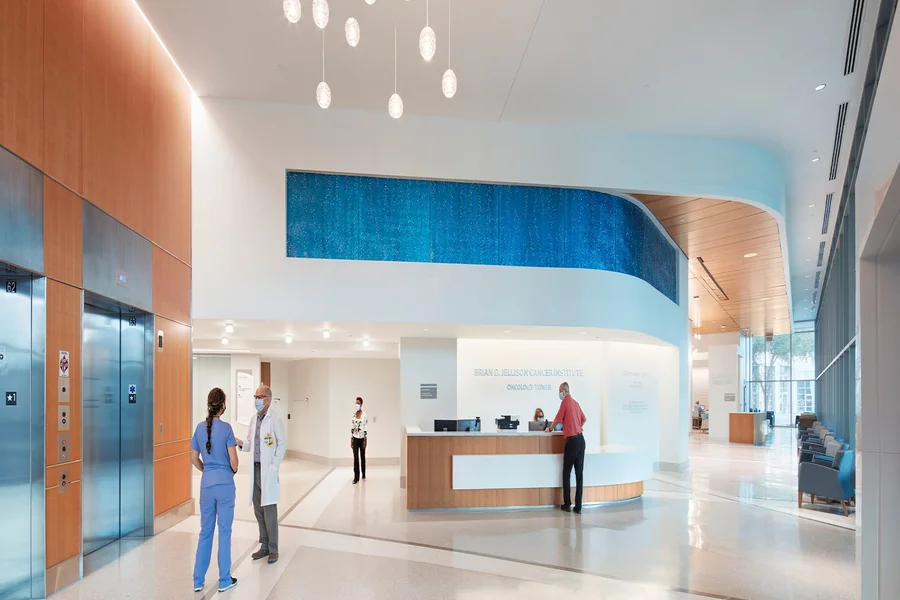
A patient’s experience within a healthcare setting begins the moment they arrive. The environment influences their mood, their trust in medical staff, and their overall sense of safety. This is why natural light, calming colour schemes, and private treatment areas are now key features. Rooms that feel less clinical and more welcoming can ease anxiety and make the overall experience less intimidating.
Equally important is accessibility. Hospitals and clinics must cater to individuals with different needs, from mobility challenges to sensory impairments. Wide corridors, clear signage, and seamless navigation help ensure that everyone can move comfortably through the space.
Staff Efficiency and Wellbeing
While patient comfort is vital, staff also benefit from environments that reduce stress and promote efficiency. Medical teams work in high-pressure conditions, and a poorly designed workspace can contribute to fatigue, frustration, and mistakes. Layouts that reduce the distance between frequently used areas, ample break facilities, and well-placed technology all improve day-to-day operations.
Designing with staff in mind also helps with recruitment and retention, a growing challenge in healthcare worldwide. When doctors, nurses, and support staff feel valued through thoughtful design, they are more likely to remain in their roles long term.
Technology Integration
The digital revolution has reshaped healthcare delivery. Electronic patient records, remote monitoring systems, and telehealth consultations require buildings to support a growing level of technological infrastructure. Rooms must be designed with adaptability in mind, as the pace of technological change means that spaces need to evolve quickly.
Integration also extends to patient use. Waiting rooms and wards increasingly include digital check-in systems, entertainment platforms, and Wi-Fi connectivity. Architecture must therefore support a seamless blend of medical and technological functions without creating clutter or confusion.
Sustainability in Healthcare Buildings
Sustainability is now a central consideration in healthcare construction. Large facilities consume significant amounts of energy, making eco-friendly design not just an ethical responsibility but also a financial necessity. Sustainable healthcare buildings often feature:
- Natural ventilation and advanced air filtration
- Green roofs and outdoor gardens
- Energy-efficient lighting and heating systems
- Use of renewable energy sources
- Recyclable and low-toxin building materials
These measures improve patient wellbeing, reduce operational costs, and help institutions meet environmental targets.
Designing for Flexibility
The recent global health crises demonstrated the importance of adaptable healthcare spaces. Facilities needed to expand intensive care capacity, reconfigure wards, and establish safe isolation areas rapidly. As a result, architects now prioritise flexible layouts that can be repurposed with minimal disruption.
Modular designs and multipurpose rooms are becoming standard, ensuring healthcare environments can meet both everyday needs and unexpected emergencies.
The Future of Healthcare Architecture
Looking ahead, healthcare facilities will continue to evolve alongside medical advancements. Trends such as AI-driven diagnostics, personalised medicine, and robotic surgery will influence how spaces are structured. More emphasis will likely be placed on outpatient and community-based care, meaning smaller, decentralised facilities will need to meet the same high standards as large hospitals.
Another emerging trend is the use of biophilic design—incorporating natural elements into buildings to improve wellbeing. Gardens, natural light, water features, and organic materials all contribute to environments that feel more restorative than institutional.
The Role of the Healthcare Architect
Behind every successful healthcare facility lies the expertise of a specialist designer. A healthcare architect plays a critical role in bridging the gap between medical needs and human experience. They work closely with doctors, nurses, and administrators to ensure that buildings are not only functional but also supportive of healing and wellbeing.
These professionals balance strict regulations with creativity, delivering designs that meet safety standards while still offering warmth and comfort. Their influence can be seen in everything from the placement of operating theatres to the flow of natural light into patient rooms.
Choosing the Right Expertise
When planning a healthcare project, selecting the right professional is essential. An experienced healthcare architect brings specialised knowledge of medical environments, patient psychology, and building regulations. Their input ensures that the final design supports the needs of both patients and staff, while also addressing long-term sustainability and adaptability.
For organisations investing in new facilities or refurbishing existing ones, engaging a healthcare architect early in the process can make a significant difference. With their expertise, healthcare buildings can be transformed into spaces that foster comfort, efficiency, and hope.
Related posts:
 500+ Medical Student Bio for Instagram: Stand Out & Shine!
  500+ Hostel Life Captions for Instagram: Fun, Crazy & Relatable!
  Green Captions for Instagram: 500 Nature-Inspired Vibes
  Art Meets Architecture: Stunning Hotel Photography Tips
  Ryzen Pharma Anabolics: What You Need to Know in 2024
  Ai Tec: Revolutionizing The World With Artificial Intelligence Technology
  Contemporary Men’s Designer Fashion: Trends, Tips, and Timeless Style
  Common Myths and Facts About Digital Twins in Gaming