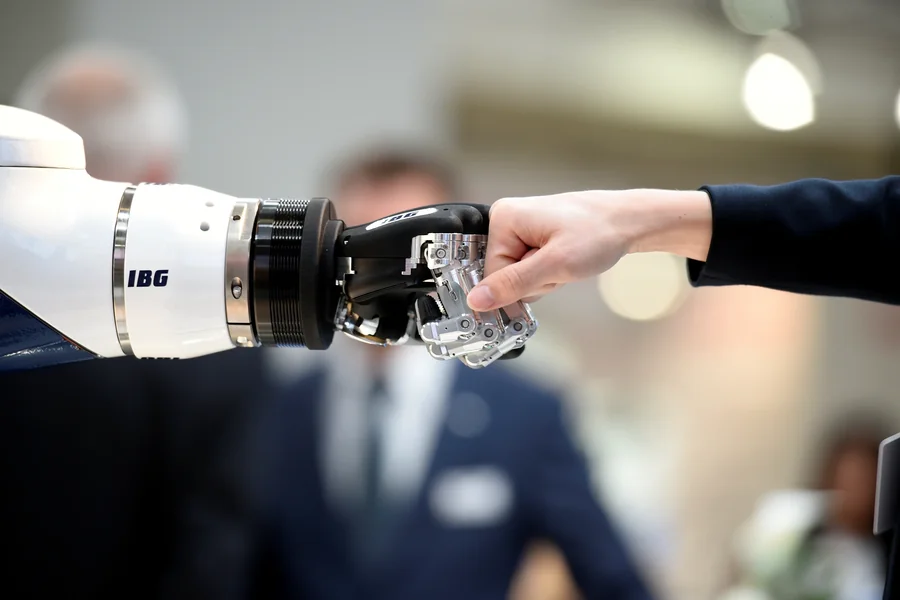
Introduction to AI Tec
AI Tec, short for Artificial Intelligence Technology, is rapidly becoming the foundation of the modern digital world. From smart assistants like Alexa and Siri to self-driving cars, predictive healthcare tools, and automated customer service bots, Techsslaash is everywhere. It represents the blend of cutting-edge software and intelligent data processing systems that mimic human-like decision-making and problem-solving.
Over the past decade, AI Tec has evolved from a research-heavy concept into a practical tool that powers real-world applications. As businesses and governments integrate AI across various sectors, understanding what AI Tec is—and where it’s headed—is crucial.
What Is AI Tec?
AI Tec involves the use of algorithms, data, and computing power to replicate tasks usually performed by humans. These tasks include learning, reasoning, perception, language understanding, and even physical actions like navigating a robot or vehicle.
At the core of AI Tec are these branches:
Machine Learning (ML): Systems learn from data and improve over time without explicit programming.
Deep Learning: A subset of ML that uses neural networks to simulate human brain function.
Natural Language Processing (NLP): AI that understands, interprets, and generates human language.
Computer Vision: AI systems that process and analyze visual data.
Robotics: Integration of AI with mechanical systems for automation and precision.
How AI Tec Works
Techsslash relies heavily on data—huge volumes of it. It uses statistical models to identify patterns, trends, and anomalies. These models are trained using supervised (labeled), unsupervised (unlabeled), or reinforcement learning (reward-based learning).
Key components:
Algorithms: Provide the logic and rules AI follows.
Training Data: AI is fed data to “learn” from.
Neural Networks: Mimic human brain processing for complex problem-solving.
Feedback Loops: Continuously improve performance by learning from success or failure.
As AI Tec grows smarter, it is also becoming more autonomous—able to operate with minimal human intervention.
Applications of AI Tec Across Industries
1. Healthcare
AI Tec has revolutionized how diseases are diagnosed and treated.
AI-assisted Radiology: Algorithms detect tumors, fractures, and organ damage from scans.
Predictive Analytics: AI forecasts outbreaks or patient health risks before they occur.
Drug Discovery: AI shortens the R&D process by simulating molecule interactions.
2. Finance
AI is essential in modern banking and financial operations.
Fraud Detection: AI flags suspicious activity instantly.
Credit Scoring: Uses diverse data sources for more accurate risk assessment.
Trading Bots: Automatically execute trades based on real-time market analysis.
3. Retail and E-commerce
From personalized ads to smart inventory management:
Recommendation Engines: Suggest products based on browsing or buying behavior.
Chatbots: Offer 24/7 customer support and product advice.
Demand Forecasting: Predicts which items will be popular during specific seasons.
4. Transportation
AI Tec is a core component of smart mobility solutions.
Autonomous Vehicles: Self-driving cars, delivery bots, and drones use AI to navigate safely.
Traffic Management Systems: Optimize traffic lights and reduce congestion.
Logistics Optimization: AI routes delivery trucks for maximum efficiency.
5. Education
AI Tec brings personalized learning and adaptive instruction to schools and online platforms.
Smart Tutors: Provide customized learning paths and instant feedback.
Plagiarism Checkers: Detect content duplication with AI accuracy.
Student Analytics: Track engagement, performance, and areas for improvement.
6. Manufacturing
AI Tec powers smart factories and Industry 4.0 innovations.
Predictive Maintenance: Machines alert technicians before failures happen.
Quality Control: Computer vision inspects items for defects at high speeds.
Supply Chain AI: Optimizes raw material sourcing and distribution.
AI Tec in Everyday Life
Even if you’re not a developer or tech-savvy person, you probably interact with AI Tec daily:
Voice Assistants (Google Assistant, Siri, Alexa)
Spam Filters in your email inbox
Facial Recognition for phone unlocking
AI Cameras that automatically enhance photos
Streaming Recommendations on platforms like Netflix, Spotify, and YouTube
AI Tec improves convenience, personalization, and overall user experiences.
Benefits of AI Tec
Efficiency & Speed: Tasks are completed faster and more accurately than with human effort alone.
Cost Savings: Automation reduces the need for repetitive human labor.
24/7 Operation: AI never sleeps, ensuring round-the-clock productivity.
Data-Driven Decisions: Insights from big data help leaders make smarter choices.
Scalability: AI solutions can grow with business demands.
Challenges and Ethical Considerations
Despite its benefits, AI Tec presents several challenges:
1. Job Displacement
Automation may replace jobs in manufacturing, customer service, and even white-collar fields. Reskilling workers is crucial.
2. Bias and Discrimination
AI reflects the data it’s trained on. If the data has bias, so will the AI. This can lead to unfair hiring, policing, or lending decisions.
3. Privacy Concerns
AI collects and processes enormous amounts of data, raising concerns about surveillance and data misuse.
4. Security Risks
AI systems can be hacked or manipulated. Deepfakes, AI-powered phishing, and autonomous drones pose real threats.
5. Lack of Regulation
The fast growth of AI Tec has outpaced regulation. Clear guidelines are needed to ensure ethical use.
The Future of AI Tec
The future of AI Tec is incredibly promising, and its pace of evolution is accelerating. Some anticipated advancements include:
AI + Quantum Computing: Processing billions of possibilities in seconds.
Artificial General Intelligence (AGI): AI that truly matches or surpasses human intelligence.
AI in Climate Tech: Forecasting and mitigating environmental disasters.
AI-Powered Creativity: Generating art, music, video, and even 3D models with AI tools like DALL·E and Sora.
Human-AI Collaboration: AI that works alongside professionals in law, journalism, medicine, and design.
In a few decades, AI Tec could become as fundamental to human life as electricity or the internet.
Conclusion
AI Tec is no longer science fiction—it is real, present, and growing more intelligent by the day. Its applications touch nearly every aspect of our personal and professional lives. As we navigate its rise, society must focus not just on what AI can do, but what it should do.
Balancing innovation with ethics, privacy, and fairness will be key to ensuring AI Tec serves humanity, not just the interests of a few. The future belongs to those who can adapt, learn, and lead responsibly in this AI-powered era.
Related posts:
 Top Strategies to Overcome Procrastination and Get Things Done
  Control PCB Board: The Core of Automation and How Electronic Manufacturing Services
  500+ Medical Student Bio for Instagram: Stand Out & Shine!
  How to Use Storytelling in Business Writing: A Powerful Tool for Engagement and Persuasion
  How to Master Pirate Combat in Skull and Bones
  500+ Money Bio for Instagram: Stand Out & Show Your Hustle
  500+ Purrfectly Cute & Clever: Cat Captions for Instagram
  500+ Entrepreneur Bio for Instagram: Stand Out & Inspire!