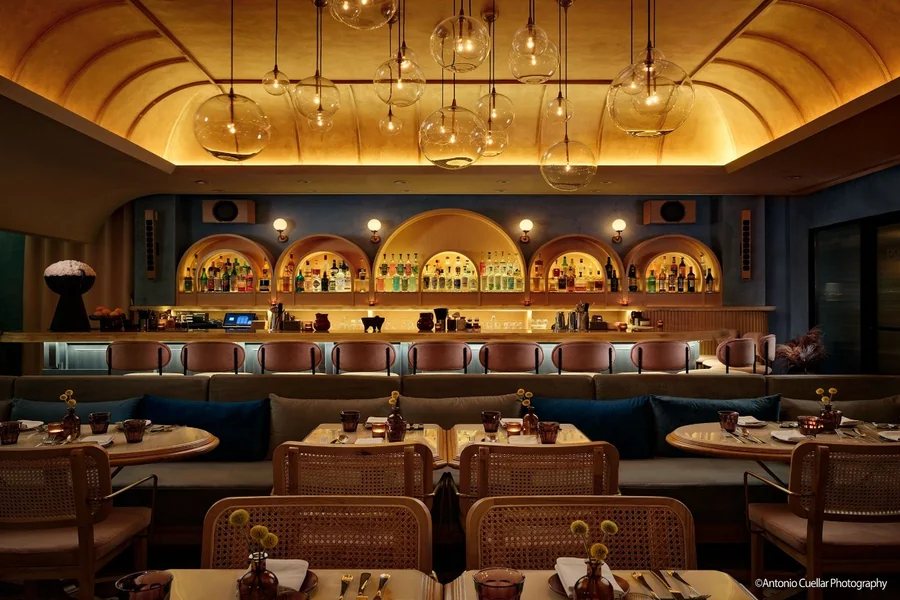
In today’s highly competitive hospitality industry, the visual representation of a hotel can be just as important as the services it offers. A striking hotel photography is more than just a snapshot of a building or interior—it is a carefully crafted piece of art that tells a story, evokes emotions, and ultimately entices guests to choose one property over another. Achieving such impactful imagery often requires borrowing from the principles of architectural photography, a specialized field that focuses on capturing the design, form, and aesthetics of structures with precision and creativity. The intersection of art and architecture in hotel photography elevates these images from mere documentation to compelling visual narratives that showcase a hotel’s unique identity.
Understanding the Role of Architectural Photography in Hotel Imaging
Architecture photography is a discipline dedicated to portraying buildings in ways that highlight their design, scale, and relationship with the surrounding environment. Unlike casual photography, it requires an expert understanding of composition, perspective, lighting, and technical details that bring architectural forms to life.
When applied to hotel photography, these techniques allow photographers to move beyond simple representations of rooms or façades and instead capture the essence of the building’s architecture. The goal is to reveal the hotel as a living, breathing space that invites guests to experience luxury, comfort, and style.
For instance, an architecture photographer uses wide-angle lenses to emphasize the grandeur of a hotel lobby or the sweeping lines of a modern façade. They carefully control perspectives to avoid distortion, ensuring the structural beauty is accurately conveyed. Lighting plays a crucial role too, with natural and artificial light sculpting the forms and textures of architectural elements, from intricate moldings to expansive glass walls.
The Artistic Elements Behind a Compelling Hotel Photography
The art of crafting stunning hotel photographs lies in the ability to merge technical expertise with creative vision. An effective hotel photography captures not only the physical space but also the mood and ambiance that define the guest experience.
Composition is paramount. Architects design hotels with intentional lines, shapes, and rhythms, and photographers must use these elements to compose images that lead the viewer’s eye through the frame. Symmetry and balance often create a sense of order and elegance, while dynamic angles can introduce excitement and intrigue.
Color theory also plays an important role. The palette of a hotel’s interior—from the warm hues of wood paneling to the cool tones of marble floors—can evoke feelings ranging from cozy intimacy to modern sophistication. Through careful post-processing, a hotel photographer enhances the colors to align with the hotel’s branding and atmosphere.
Textures and materials are another focal point. Detailed shots of polished metals, soft fabrics, or textured stone add depth and richness to the visual story. By highlighting these elements, a hotel photography becomes tactile, almost inviting viewers to reach out and touch.
Bridging Interiors and Exteriors with Architecture Photography
Hotels are complex structures composed of both inviting interiors and striking exteriors, and architectural photography techniques bridge these worlds to create a comprehensive visual identity.
Exterior shots benefit from an awareness of the environment and context. Photographers often shoot during the “golden hour” — the early morning or late afternoon — when natural light bathes the building in warm, flattering tones. This enhances architectural details such as balconies, terraces, and landscaping that contribute to the hotel’s curb appeal.
Interiors, meanwhile, require careful staging and lighting to balance the natural light streaming through windows with artificial lighting. Photographers often collaborate with interior designers to declutter spaces, arrange furniture strategically, and use props that add life without overwhelming the scene.
By applying architecture photography principles, photographers can emphasize the relationship between interior and exterior, showing how the hotel’s design harmonizes with its location, whether that be a bustling city center, a serene beach, or a scenic mountain retreat.
The Impact of Professional Hotel Photograph on Hospitality Marketing
The visual content hotels present online and in marketing materials profoundly influences potential guests’ decisions. A professional hotel photography created with architecture photography expertise serves multiple functions—it showcases quality, communicates the hotel’s brand values, and creates an emotional connection with viewers.
In digital platforms, where first impressions matter more than ever, high-quality images help hotels stand out among countless competitors. Stunning photographs encourage visitors to explore further, learn more about the property, and ultimately book a stay. These images are also invaluable in print advertising, brochures, and social media campaigns, where consistent, striking visuals reinforce brand identity.
Additionally, well-executed hotel photographs can highlight unique architectural features that differentiate a hotel—whether it’s a historic façade, a cutting-edge design, or a signature atrium. By drawing attention to these elements, hotels enhance their storytelling, showcasing why their property offers an experience unlike any other.
The convergence of art and architecture through architectural photography techniques transforms hotel photography into a powerful medium for storytelling and marketing. It goes beyond capturing spaces to interpreting the very essence of a hotel’s design and guest experience. From meticulously composed interiors to breathtaking exterior shots, these photographies invite potential guests to envision themselves in the luxurious, thoughtfully crafted environments the hotel offers.
In a world where travelers increasingly rely on visuals to make decisions, mastering the craft of hotel photography infused with architecture photography expertise is essential. It’s an art form that not only celebrates architectural beauty but also drives business success by captivating and inspiring guests before they even set foot inside the celeblifes.
Related posts:
 300 Photography Captions for Instagram to Inspire Your Creativity
  500+ Artist Instagram Bio Ideas to Showcase Your Creative Identity
  500+ Art Captions for Instagram to Inspire Your Creativity
  Concept to Creation: The Process of Making a Digital Magazine
  500+ Model Captions for Instagram to Slay Every Shot
  500+ Photoshoot Captions for Instagram: Perfect Lines to Shine!
  How To Choose The Best Online Game For Your Gaming Style
  500+ Meaningful Tattoo Captions to Ink Your Story Perfectly