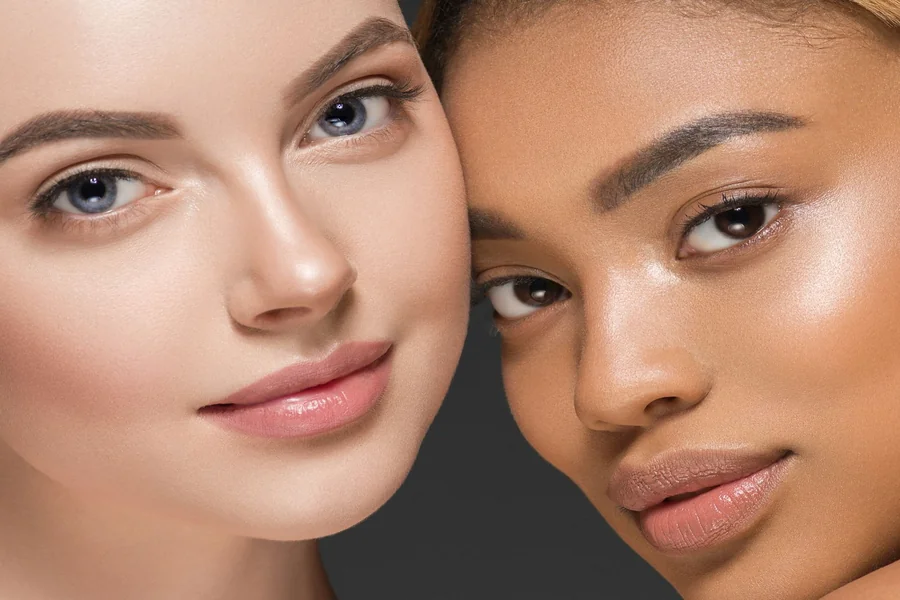
Facial appearance naturally changes with time, lifestyle, and genetics. One of the most noticeable shifts many people observe is a loss of firmness and definition around the lower face. As the jawline softens and skin elasticity reduces, the overall balance of the face can appear altered. These changes have led to growing interest in aesthetic approaches that focus on restoring structure while maintaining a natural look.
Modern facial enhancement methods place strong emphasis on subtle refinement rather than dramatic alteration. The goal is often to support the face’s natural contours while addressing areas impacted by aging or muscle activity.
Understanding Changes in the Lower Face
The lower face is particularly affected by the aging process. Over time, collagen production slows, skin becomes less firm, and underlying support structures can weaken. Muscle movement and gravity also play a role, gradually influencing facial shape.
In addition to aging, factors such as stress, posture, weight fluctuations, and genetics contribute to how the lower face evolves. These elements combined can lead to a less defined jawline and reduced facial sharpness, prompting individuals to explore aesthetic solutions.
Evolution of Facial Enhancement Approaches
Previously, improving facial contours often meant undergoing surgical procedures with extended recovery periods. While these options remain available, advances in aesthetic care have expanded the range of non-surgical and minimally invasive alternatives.
Today’s approaches prioritize precision, safety, and gradual improvement. These methods aim to complement natural facial expressions rather than restrict them. As a result, people are increasingly comfortable exploring enhancement options that align with busy lifestyles and personal comfort levels.
How Modern Treatments Are Planned
Facial enhancement typically begins with a detailed consultation. Practitioners assess facial symmetry, muscle activity, skin quality, and bone structure to develop a holistic understanding of the individual’s features. This assessment helps determine which areas would benefit most from refinement.
Rather than focusing on one isolated feature, professionals consider the relationship between the cheeks, jawline, and chin. Maintaining proportion across these areas is essential for achieving a balanced, natural-looking outcome.
Customised and Gradual Enhancement
One of the defining characteristics of modern facial treatments is their customised nature. No two faces are the same, and treatment plans are adjusted accordingly. Factors such as age, skin condition, and desired outcome all influence the recommended approach.
Results are typically progressive. Rather than immediate transformation, changes appear gradually as the body responds to treatment. This gradual improvement is often preferred, as it allows the face to adjust naturally and preserves expressive movement.
Why Professional Guidance Is Essential
Professional assessment plays a crucial role in ensuring safe and effective outcomes. Qualified practitioners help manage expectations by clearly explaining what can be achieved and over what timeframe. They also ensure that facial harmony is preserved and that enhancements do not appear exaggerated or artificial.
As part of their research, many individuals come across information related to v shape face lift treatment when exploring ways to improve facial definition and understand how refinement procedures are generally structured.
Recovery and Aftercare Considerations
Aftercare is an important component of any aesthetic procedure. While many modern treatments involve minimal downtime, following professional guidance helps optimise results and reduce temporary side effects such as mild swelling or tenderness.
Individuals are often advised to follow specific skincare routines and lifestyle recommendations after treatment. These small steps can help support healing and ensure the longevity of results.
Maintaining Facial Definition Over Time
Aesthetic enhancements work best when supported by overall self-care. Healthy habits such as proper hydration, balanced nutrition, stress management, and consistent skincare routines contribute to skin quality and muscle tone.
Periodic evaluations may be recommended to assess progress and determine whether maintenance treatments are beneficial. Viewing facial enhancement as an ongoing process rather than a one-time solution often leads to more satisfying long-term results.
Conclusion
Facial refinement today focuses on enhancing natural features rather than changing identity. With advances in aesthetic techniques, restoring or improving lower face definition has become more accessible and less disruptive to daily life.
By understanding the general principles behind facial enhancement and seeking professional advice, individuals can make informed decisions that align with their personal goals. As techniques continue to evolve, the emphasis on balance, subtlety, and individual expression remains at the core of modern facial aesthetics.
Related posts:
 500+ Meaningful Tattoo Captions to Ink Your Story Perfectly
  Ryzen Pharma Anabolics: What You Need to Know in 2024
  500+ Hidden Face Caption for Instagram: Mysterious & Cool Ideas
  Somatrow 100 Iu 3.3 Mg CrowxLabs USA for Adult Gym-Goers
  500+ Sunkissed Captions: Radiate Your Glow with Perfect Words
  Finding the Best Dermatologist in Abu Dhabi: Your Guide to Healthy, Glowing Skin
  300 Car Captions for Instagram to Ignite Your Ride
  500+ Beauty Captions for Instagram: Stunning Words to Shine