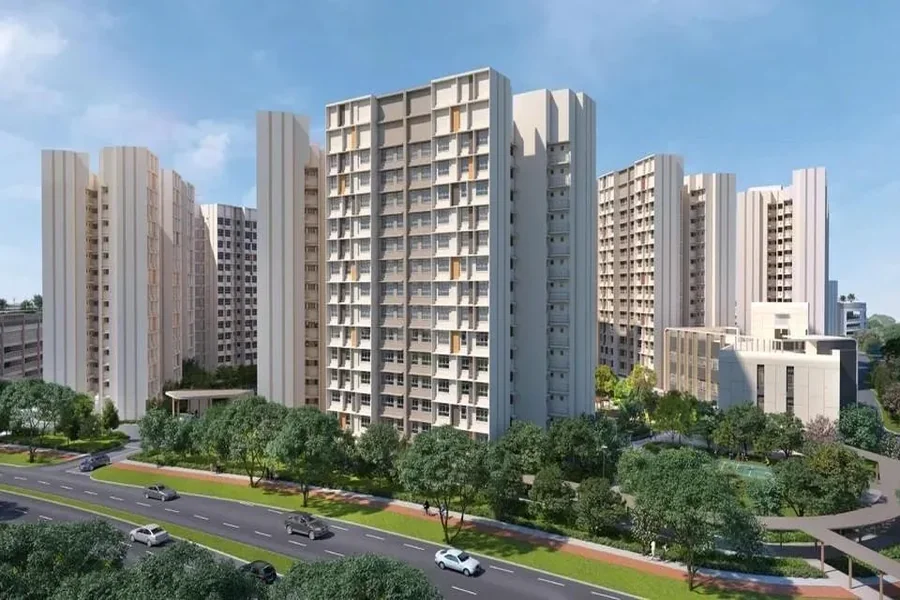
 Bedok Rise Residences Anticipates a More Connected Eastern Future
In Singapore’s property landscape, an established address can gain fresh relevance as transport infrastructure evolves around it. For Bedok Rise Residences, the prospect of interchange works expected by the mid-2030s adds a forward-looking dimension to its position next to Tanah Merah MRT Station. The appeal is not simply about anticipating change. It lies in considering how existing rail access and future network improvements could work together to strengthen the address’s long-term convenience and residential appeal.
Developed by Allgreen Properties, the new condominium at Bedok Rise invites buyers to assess connectivity across two horizons: what residents can use today, and what the surrounding transport network may offer as planned works progress. That distinction matters. An infrastructure-led property proposition is most persuasive when future possibilities complement an already practical location, rather than substitute for one.
Bedok Rise Residences Builds on Existing MRT Proximity
The clearest foundation for this connectivity story is the development’s location next to Tanah Merah MRT Station. Proximity to an established station gives buyers something tangible to evaluate, independent of the eventual completion date or configuration of future interchange works. For residents who regularly travel by rail, the relationship between home and station can shape the ease of an ordinary working week.
This existing advantage also gives the mid-2030s outlook a more measured context. Buyers are not being asked to regard a future transport milestone as the sole reason to consider the address. Instead, anticipated improvements represent a potential next chapter for a location already connected to Singapore’s rail network. That combination supports a longer-term ownership perspective without requiring every benefit to arrive at once.
Why the Mid-2030s Horizon Matters
Major interchange works are best understood as part of a gradual reshaping of travel patterns. Depending on their confirmed scope, improvements may influence how passengers transfer between services, navigate stations or reach destinations across the network. For a home beside an existing MRT station, these changes could enhance the usefulness of rail proximity beyond the immediate neighbourhood.
The expected mid-2030s timeframe nevertheless calls for a patient perspective. It is a planning horizon, not an immediate amenity, and infrastructure schedules can change. Buyers should distinguish between announced intentions, confirmed construction milestones and operational services. The opportunity lies in recognising potential improvements early while grounding a purchase decision in the accessibility and suitability of the home today.
Assessing Network Benefits Beyond the Nearest Station
A station-side address is valuable not only because of the distance to the platform, but also because of the journeys available from it. Interchange improvements can potentially make a wider network easier to use, although actual benefits depend on final routes, transfer arrangements and service patterns. The relevant question is therefore not merely whether works are planned, but how completed changes might affect the journeys a household makes most often.
Bedok Rise Residences Aligns with Long-Term Ownership
For owner-occupiers, a mid-2030s infrastructure horizon may sit naturally within a sustained period of residence. A household purchasing for the longer term can consider present-day commuting needs alongside the possibility of a more connected network later. This is a different proposition from buying solely in anticipation of a near-term announcement: it places everyday usability at the centre of the decision.
For investors, the same outlook supports a disciplined assessment of future rental relevance. Convenient rail access can be an important consideration for prospective tenants, while network improvements may broaden the range of journeys they find practical. Neither rental growth nor capital appreciation is assured, however. Purchase price, competing supply, market conditions and the eventual delivery of infrastructure all remain important to the investment outcome.
Allgreen Properties Adds Context to the Connectivity Proposition
Allgreen Properties brings an established development presence to a project whose location is central to its appeal. At Bedok Rise, that context allows buyers to consider the residential offering alongside a wider transport narrative, rather than treating infrastructure expectations as a standalone sales argument. The developer’s involvement adds a further point of consideration when assessing the project as a long-term home.
Even so, the most compelling evaluation remains specific to the purchaser. A well-positioned development should make sense against personal travel habits, ownership plans and financial priorities. Anticipated interchange improvements can strengthen that assessment, but should not overshadow it. This balance keeps the proposition focused on enduring residential usefulness rather than enthusiasm for a distant completion target.
Reading the Interchange Outlook with Confidence and Care
Prospective buyers should review the latest official transport announcements to establish which works are confirmed, their expected delivery dates and their relevance to travel from Tanah Merah. Wider network enhancements should not automatically be interpreted as changes to the station itself. Clear distinctions between local station works and broader interchange improvements help buyers assess the opportunity on accurate terms.
Ultimately, Bedok Rise Residences offers a connectivity-led proposition anchored in an existing station-side setting, with anticipated interchange works providing a longer-term layer of potential. The mid-2030s outlook is most meaningful when viewed as an evolving advantage rather than a guaranteed uplift. For buyers who value immediate rail access and intend to hold through Singapore’s next phase of transport development, this combination merits thoughtful consideration.
Related posts:
 Chencharu Central Residences Occupies 316,997 sq ft Inside the New Yishun Township
 Virtual Staging Solutions for Miami Real Estate Sellers
 Understanding Managed Print Services
 500+ Entrepreneur Bio for Instagram: Stand Out & Inspire!
 Key Factors To Know Before Investing In Middle Eastern Property
 500+ Senior Year Captions: The Best Lines for Your Final Year
 From Junk to Cash: How to Sell Your Car in Ventura Without the Stress
 500+ Medical Student Bio for Instagram: Stand Out & Shine!